Minimally Invasive Gynecological Surgery (Hysteroscopy & Laparoscopy)
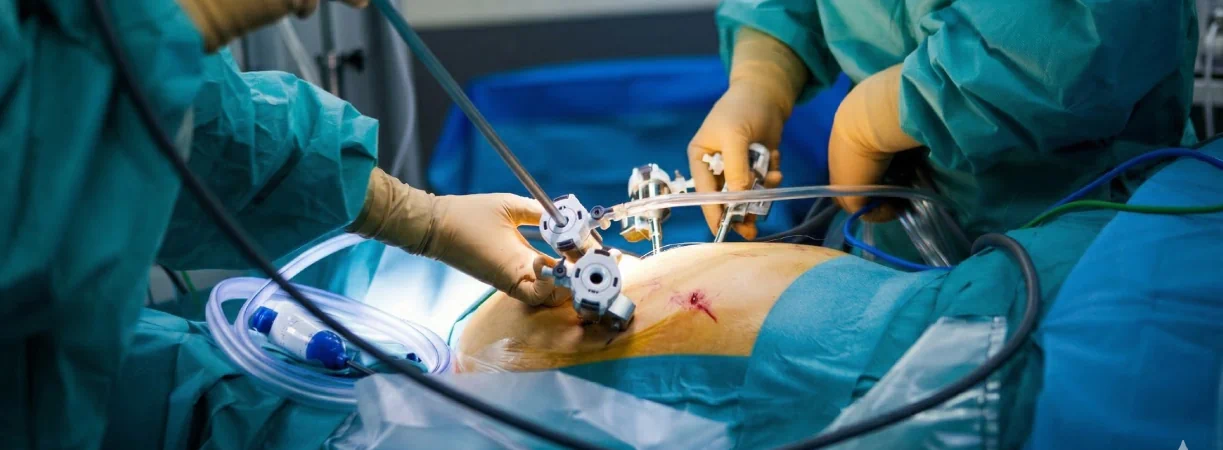
Modern gynecological care has evolved significantly, allowing women to receive highly effective treatment with less pain, minimal scarring, and faster recovery. Minimally Invasive Gynecological Surgery (MIGS), including hysteroscopy and laparoscopy, represents a major advancement in diagnosing and treating a wide range of women’s health conditions.
Under the expert care of Dr. Prashanth Shivappa S (MBBS, MS (ObG), MCh (Surgical Oncology)), patients benefit from advanced surgical techniques combined with compassionate, patient-focused care. As a Professor & Head of the Department of Obstetrics and Gynecology at Shivamogga Institute of Medical Sciences, Dr. Prashanth brings extensive experience and academic excellence to every procedure.
What Is Minimally Invasive Gynecological Surgery?
Minimally Invasive Gynecological Surgery refers to procedures performed through small incisions or natural body openings, avoiding large surgical incisions. These techniques use specialised instruments, cameras, and advanced imaging to ensure precision and safety.
Key Benefits
- Smaller or no external incisions
- Reduced pain and blood loss
- Faster recovery time
- Shorter hospital stay
- Minimal scarring
- Lower risk of infection
These procedures are particularly beneficial for women seeking effective treatment while maintaining their quality of life and daily routine.
Hysteroscopy: A Closer Look Inside the Uterus
Hysteroscopy is a minimally invasive procedure used to examine the inside of the uterus. A thin, lighted instrument called a hysteroscope is inserted through the vagina and cervix, allowing direct visualisation without any external cuts.
Diagnostic Uses
- Abnormal uterine bleeding
- Irregular menstrual cycles
- Infertility evaluation
- Recurrent miscarriages
- Detection of uterine abnormalities
Therapeutic Uses
- Removal of polyps or fibroids
- Treatment of uterine adhesions (Asherman’s syndrome)
- Correction of the uterine septum
- Removal of retained products of conception
Advantages of Hysteroscopy
- No abdominal incision
- Quick procedure (often same-day discharge)
- Minimal discomfort
- High diagnostic accuracy
Hysteroscopy not only helps diagnose issues but also allows immediate treatment during the same procedure in many cases.
Laparoscopy: Precision Surgery Through Small Incisions
Laparoscopy involves making small incisions in the abdomen through which a camera (laparoscope) and specialised instruments are inserted. The surgeon views the internal organs on a monitor and performs precise surgical procedures.
Conditions Treated with Laparoscopy
- Ovarian cysts
- Endometriosis
- Ectopic pregnancy
- Fibroids
- Pelvic inflammatory disease
- Infertility-related conditions
- Hysterectomy (removal of uterus)
Types of Laparoscopic Procedures
- Diagnostic laparoscopy
- Operative laparoscopy
- Laparoscopic hysterectomy
- Ovarian cystectomy
- Tubal surgeries
Benefits of Laparoscopy
- Tiny incisions (keyhole surgery)
- Less postoperative pain
- Faster return to normal activities
- Reduced hospital stay
- Better cosmetic results
Laparoscopy is widely regarded as the gold standard for many gynecological surgeries due to its precision and safety.
Conditions Commonly Managed with MIGS
Minimally invasive techniques are used to treat a variety of gynecological conditions, including:
- Heavy or abnormal menstrual bleeding
- Uterine fibroids and polyps
- Endometriosis
- Infertility
- Chronic pelvic pain
- Ovarian cysts
- Adhesions and scarring
- Ectopic pregnancy
Early diagnosis and treatment through minimally invasive approaches can significantly improve outcomes and reduce complications.
Why Choose Minimally Invasive Surgery?
Choosing minimally invasive surgery is not just about convenience—it’s about better overall outcomes.
Patient-Centric Advantages
- Faster healing and recovery
- Less disruption to daily life
- Lower complication rates
- Improved surgical precision
- Reduced need for pain medication
For working women, mothers, and those with active lifestyles, these procedures provide a practical and effective solution.
What to Expect During the Procedure?
Before Surgery
- Detailed consultation and evaluation
- Imaging tests (ultrasound, MRI if needed)
- Pre-operative instructions and counselling
During Surgery
- Performed under anaesthesia
- Advanced instruments are used for precision
- Continuous monitoring for safety
After Surgery
- Short recovery period
- Same-day or next-day discharge (in many cases)
- Gradual return to normal activities within days
Dr. Prashanth ensures that each patient is fully informed and comfortable throughout the entire process.
Recovery and Aftercare
Recovery after minimally invasive surgery is typically smooth and quick.
Postoperative Care Tips
- Follow prescribed medications
- Maintain hygiene and wound care
- Avoid strenuous activity for a short period
- Attend follow-up appointments
- Monitor for any unusual symptoms
Most patients resume normal activities within a week, depending on the procedure's complexity.
Why Choose Dr. Prashanth Shivappa S?
Dr. Prashanth Shivappa S stands out for his extensive expertise, academic leadership, and patient-first approach.
Credentials
- MBBS, MS (ObG), MCh (Surgical Oncology)
- Professor & Head, Department of Obstetrics and Gynecology
- Professor & Surgical Oncology Consultant
- Shivamogga Institute of Medical Sciences (Government Institution)
What Sets Him Apart
- Years of surgical experience
- Expertise in advanced minimally invasive techniques
- Strong academic and clinical background
- Commitment to patient safety and comfort
- Evidence-based, ethical treatment approach
Patients receive personalised care tailored to their condition, ensuring optimal outcomes.
When Should You Consider MIGS?
You may benefit from minimally invasive gynecological surgery if you experience:
- Persistent pelvic pain
- Heavy or irregular periods
- Difficulty conceiving
- Recurrent pregnancy loss
- Diagnosed fibroids or cysts
- Unexplained uterine abnormalities
Early consultation can help determine the most suitable treatment plan.
Frequently Asked Questions (FAQs)
Q. Is minimally invasive gynecological surgery safe?
A: Yes, minimally invasive procedures like hysteroscopy and laparoscopy are considered very safe when performed by experienced surgeons. They are associated with fewer complications, reduced blood loss, and quicker recovery compared to traditional open surgeries.
Q. How long does recovery take after a laparoscopy or a hysteroscopy?
A: Recovery varies depending on the procedure. Most hysteroscopy patients recover within 1–2 days, while laparoscopy patients may take about 3–7 days to resume normal activities. Full recovery may take a few weeks for more complex surgeries.
Q. Will there be scars after the procedure?
A: Hysteroscopy does not leave any external scars. Laparoscopy involves very small incisions, which heal quickly and leave minimal, often barely visible scars.
Q. Can these procedures help with infertility?
A: Yes, both hysteroscopy and laparoscopy are commonly used to diagnose and treat conditions affecting fertility, such as uterine abnormalities, endometriosis, and blocked fallopian tubes, improving the chances of conception.
Q. Is hospitalisation required for these surgeries?
A: In many cases, hysteroscopy is a day-care procedure, meaning you can go home the same day. Laparoscopy may require a short hospital stay, typically 24 hours or less, depending on the complexity of the surgery.
Book a Consultation
Minimally invasive gynecological surgery offers a safer, more comfortable, and highly effective way to address a wide range of women’s health concerns. With the expertise of Dr. Prashanth Shivappa S, you can expect advanced care, accurate diagnosis, and personalised treatment.
If you are experiencing gynecological symptoms or have been advised surgery, consult an expert to explore minimally invasive options that prioritise your health, comfort, and recovery.



Find Us
Rajkumar Diagnostics, Durgigudi, Jail Circle, Shivamogga, Karnataka 577204
Expert care in gynecology, high-risk pregnancy, fertility, and surgical oncology in Shivamogga, Karnataka, with a focus on safety, ethics, and accurate treatment planning.


© 2026 | Dr. Prashanth Shivappa | All rights reserved | Digital Marketing by Remedo