When your gynecologist recommends a minimally invasive procedure, it is natural to wonder what it involves and why it is needed. Two commonly performed procedures in gynecology are hysteroscopy and laparoscopy. Although they are both minimally invasive and are used to diagnose and treat various gynecologic conditions, they are not the same.
Each procedure allows your doctor to examine different parts of the reproductive system and serves a unique purpose. Understanding these differences can help you feel more confident and prepared if one of these procedures is recommended.
What Is Hysteroscopy?
Hysteroscopy is a procedure that allows a doctor to examine the inside of the uterus using a thin, lighted instrument called a hysteroscope.
The hysteroscope is inserted through the vagina and cervix into the uterus, so there are usually no external incisions.
Hysteroscopy is commonly used to diagnose and treat conditions affecting the uterine cavity.
What Is Laparoscopy?
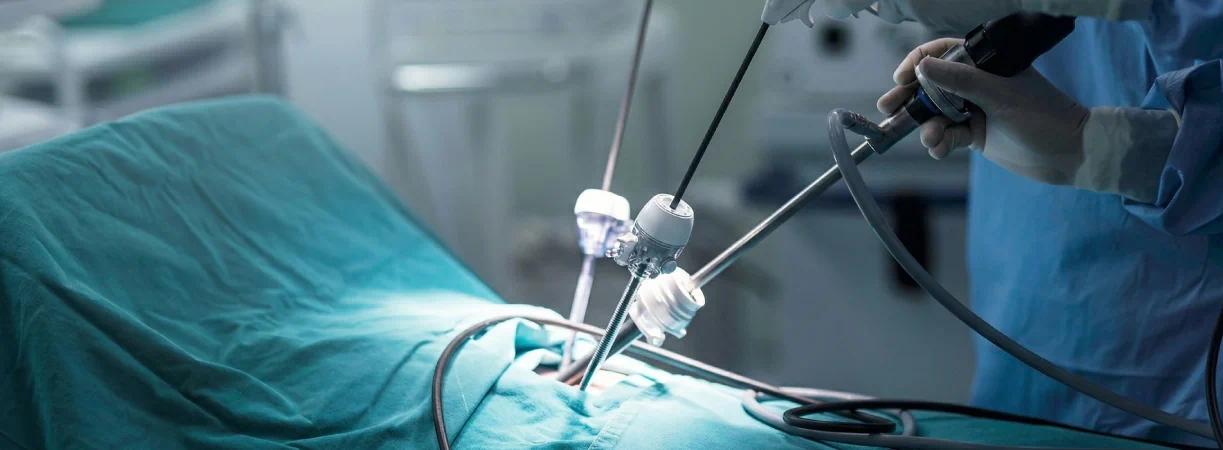
Laparoscopy, often referred to as keyhole surgery, is a minimally invasive surgical procedure that allows the doctor to examine the organs inside the abdomen and pelvis.
A small camera called a laparoscope is inserted through tiny incisions in the abdomen. Additional small incisions may be made to introduce surgical instruments if treatment is required.
Unlike hysteroscopy, laparoscopy allows the surgeon to view structures outside the uterus, including the ovaries, fallopian tubes, uterus, and surrounding pelvic organs.
Hysteroscopy Vs Laparoscopy
Area Examined
Hysteroscopy
- Inside the uterus
- Endometrial lining
- Uterine cavity
Laparoscopy
- Uterus
- Ovaries
- Fallopian tubes
- Pelvic cavity
- Other abdominal organs when necessary
How The Procedures Are Performed
Hysteroscopy
- No abdominal incisions
- Scope inserted through the vagina and cervix
- Usually performed as a day care procedure
Laparoscopy
- Small abdominal incisions
- Camera inserted through the abdomen
- Usually performed under general anesthesia
When Is Hysteroscopy Recommended?
Your gynecologist may recommend hysteroscopy to evaluate or treat:
- Abnormal uterine bleeding
- Uterine polyps
- Submucosal fibroids
- Uterine septum
- Intrauterine adhesions
- Retained pregnancy tissue
- Missing or displaced intrauterine devices
- Recurrent miscarriage evaluation
- Certain infertility concerns
In many cases, diagnosis and treatment can be completed during the same procedure.
When Is Laparoscopy Recommended?
Laparoscopy may be advised for conditions such as:
- Endometriosis
- Ovarian cysts
- Ectopic pregnancy
- Pelvic adhesions
- Chronic pelvic pain
- Infertility evaluation
- Fibroids in selected cases
- Hysterectomy
- Removal of ovarian masses when appropriate
It also allows surgeons to perform many complex gynecologic procedures using minimally invasive techniques.
Can Both Procedures Be Performed Together?
Yes.
Sometimes both hysteroscopy and laparoscopy are performed during the same operation. This is particularly helpful when evaluating infertility or when both the inside of the uterus and the pelvic organs need to be assessed.
Your gynecologist will determine whether combining the procedures is appropriate based on your symptoms and diagnosis.
Benefits Of Minimally Invasive Surgery
Both procedures offer several potential advantages over traditional open surgery for appropriately selected patients.
These may include:
- Smaller or no external incisions
- Reduced postoperative discomfort
- Shorter hospital stay
- Faster recovery
- Earlier return to daily activities
- Less visible scarring
The expected benefits vary depending on the procedure and the patient's overall health.
Recovery After Hysteroscopy
Most women return home the same day.
Recovery may include:
- Mild cramping
- Light vaginal spotting
- Temporary pelvic discomfort
Many women are able to resume normal daily activities within a day or two, depending on the procedure performed and their doctor's advice.
Recovery After Laparoscopy
Recovery depends on the type of surgery performed.
Many patients go home the same day or after an overnight stay.
Temporary symptoms may include:
- Mild abdominal pain
- Shoulder discomfort caused by the gas used during surgery
- Bloating
- Fatigue
Most patients gradually return to their regular routine over one to three weeks, depending on the complexity of the procedure.
Are There Any Risks?
Like all surgical procedures, hysteroscopy and laparoscopy carry some risks.
Possible complications include:
- Bleeding
- Infection
- Injury to nearby organs
- Reactions to anesthesia
- Rare need for additional surgery
Your doctor will explain the expected benefits and potential risks before the procedure.
Which Procedure Is Right For You?
The choice depends on the condition being investigated or treated.
Your gynecologist will consider:
- Your symptoms
- Medical history
- Imaging findings
- Fertility goals
- Previous surgeries
- Overall health
In some situations, hysteroscopy alone is sufficient. In others, laparoscopy or a combination of both procedures may provide the information needed for diagnosis and treatment.
When Should You Consult A Gynecologist?
Schedule a medical evaluation if you experience:
- Heavy or irregular menstrual bleeding
- Chronic pelvic pain
- Difficulty becoming pregnant
- Recurrent pregnancy loss
- Suspected endometriosis
- Ovarian cysts
- Fibroids
- Persistent pelvic discomfort
Early evaluation can help identify the underlying cause and guide appropriate treatment.
Conclusion
Although hysteroscopy and laparoscopy are both minimally invasive gynecologic procedures, they serve different purposes. Hysteroscopy is used to diagnose and treat conditions inside the uterus, while laparoscopy helps evaluate and manage conditions affecting the uterus, ovaries, fallopian tubes, and other pelvic organs. Choosing the right procedure depends on your symptoms, diagnosis, and treatment goals. A thorough evaluation helps determine the most appropriate approach for your individual needs.
For expert evaluation and advanced minimally invasive gynecologic care, consult Dr. Prashanth Shivappa, Obstetrician, Gynecologist & Surgical Oncology Specialist.
FAQs
Q: Is hysteroscopy more painful than laparoscopy?
A: Both procedures are performed with appropriate anesthesia or pain management. Recovery experiences vary depending on the type of procedure and the treatment performed.
Q: Can hysteroscopy and laparoscopy be performed on the same day?
A: Yes. In selected cases, both procedures may be performed during the same operation if it helps diagnose or treat the underlying condition.
Q: Which procedure is used to diagnose infertility?
A: Depending on the suspected cause, your gynecologist may recommend hysteroscopy, laparoscopy, or both as part of a comprehensive infertility evaluation.
Q: How long does recovery take?
A: Recovery after hysteroscopy is usually quicker, while recovery after laparoscopy depends on the type of surgery performed and may take one to three weeks.
Q: Will I have scars after these procedures?
A: Hysteroscopy typically does not leave external scars because it is performed through the vagina and cervix. Laparoscopy involves small abdominal incisions that usually heal with minimal scarring.
If you have abnormal uterine bleeding, pelvic pain, infertility, or have been advised to undergo a gynecologic procedure, schedule a consultation with Dr. Prashanth Shivappa, Obstetrician, Gynecologist & Surgical Oncology Specialist. He can help determine whether hysteroscopy or laparoscopy is the most appropriate option based on your individual condition.



Find Us
Rajkumar Diagnostics, Durgigudi, Jail Circle, Shivamogga, Karnataka 577204

Expert care in gynecology, high-risk pregnancy, fertility, and surgical oncology in Shivamogga, Karnataka, with a focus on safety, ethics, and accurate treatment planning.


© 2026 | Dr. Prashanth Shivappa | All rights reserved | Digital Marketing by Remedo