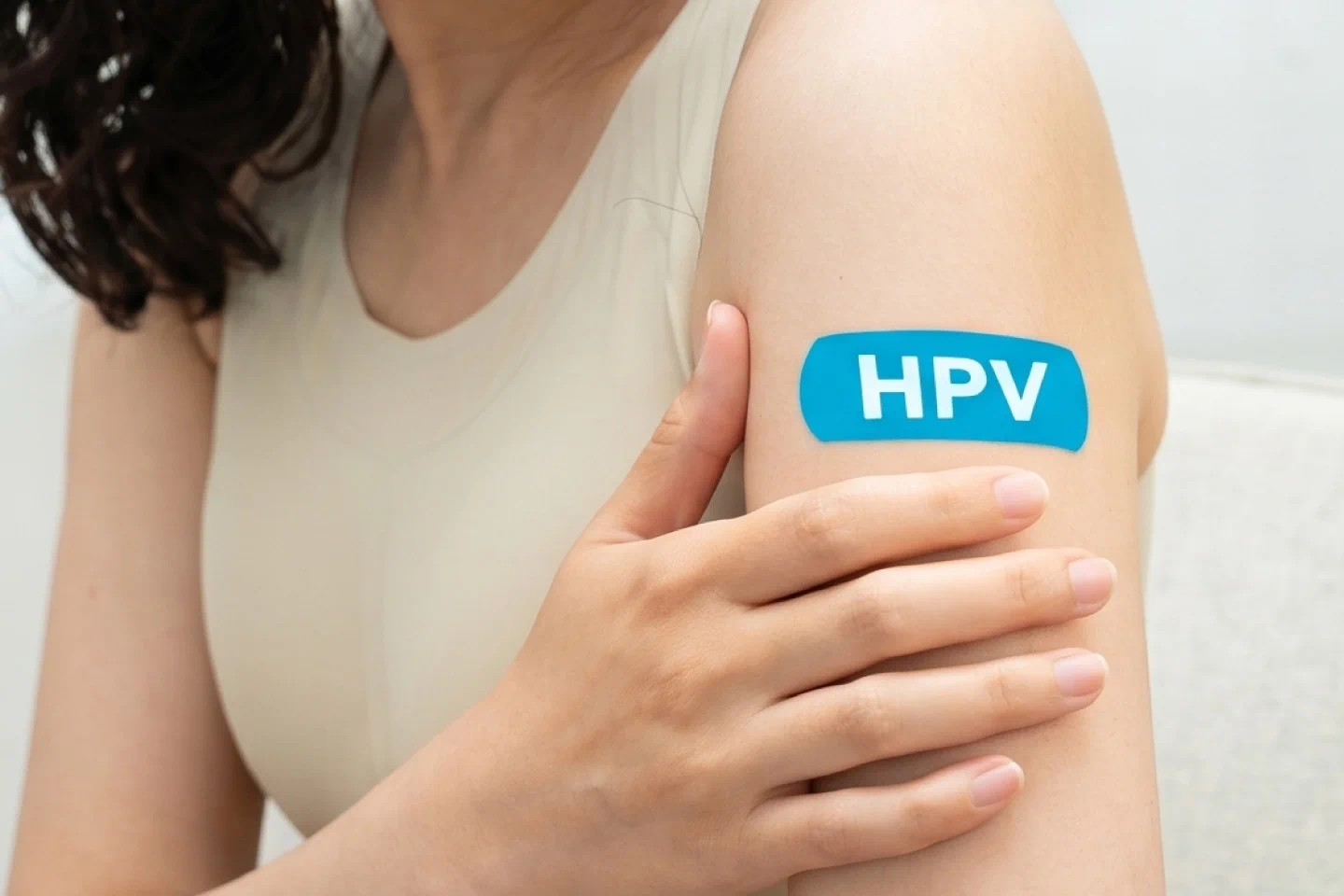
The Human Papillomavirus, commonly known as HPV, is one of the most common viral infections worldwide. While many HPV infections clear on their own without causing problems, some types can persist and increase the risk of certain cancers and other health conditions.
Fortunately, vaccination offers an effective way to reduce the risk of infection from several high risk HPV types. Understanding who should receive the HPV vaccine and when it is most effective can help individuals and families make informed healthcare decisions.
What Is HPV?
HPV is a group of more than 100 related viruses. Some types cause common skin warts, while others can infect the genital area.
Certain high risk types of HPV are associated with cancers such as:
- Cervical cancer
- Vaginal cancer
- Vulvar cancer
- Anal cancer
- Penile cancer
- Some cancers of the throat and oropharynx
Other HPV types may cause genital warts.
How Does HPV Spread?
HPV is primarily spread through intimate skin to skin contact, including sexual contact.
Because HPV infection often causes no symptoms, many people may not realize they have the virus and can unknowingly transmit it to others.
How Does The HPV Vaccine Work?
The HPV vaccine helps the body's immune system recognize and protect against several common high risk HPV types before exposure occurs.
The vaccine is preventive, meaning it helps reduce the risk of future HPV infection. It does not treat an existing HPV infection or HPV related disease.
Who Should Get The HPV Vaccine?
Routine HPV vaccination is recommended for both girls and boys.
Vaccination is most effective when given before exposure to HPV.
Current recommendations generally include:
- Routine vaccination at ages 11 or 12 years
- Vaccination may begin as early as age 9 years
- Catch up vaccination for many adolescents and young adults who were not vaccinated earlier
In some adults, vaccination may still be appropriate after discussion with a healthcare provider based on individual circumstances.
Recommendations may vary depending on national guidelines and individual health factors.
Why Is Earlier Vaccination Recommended?
The HPV vaccine provides the greatest benefit when administered before exposure to the virus.
Vaccinating during late childhood or early adolescence allows the immune system to develop protection before the risk of HPV infection increases later in life.
How Many Doses Are Needed?
The number of doses depends on the age at which vaccination begins and certain medical conditions.
Many younger adolescents receive a two dose schedule, while older individuals or those with certain health conditions may require three doses.
Your healthcare provider will recommend the appropriate schedule.
Is The HPV Vaccine Safe?
The HPV vaccine has been extensively studied and is monitored continuously for safety.
Like any vaccine, mild side effects may occur, including:
- Pain or swelling at the injection site
- Mild fever
- Headache
- Fatigue
Serious side effects are uncommon. Your healthcare provider can discuss the potential benefits and risks based on your individual health.
Does The HPV Vaccine Eliminate The Need For Cervical Cancer Screening?
No.
Women should continue to follow recommended cervical cancer screening guidelines, including Pap tests and HPV testing when appropriate.
The vaccine significantly reduces the risk of HPV related disease but does not protect against every HPV type associated with cervical cancer.
Who May Need To Discuss Vaccination With A Doctor?
You should consult your healthcare provider if:
- You missed routine vaccination during adolescence
- You have questions about catch up vaccination
- You have certain medical conditions affecting immunity
- You are unsure whether you previously received the vaccine
Your doctor can help determine whether vaccination is appropriate for you.
Common Myths About The HPV Vaccine
Myth: The HPV vaccine is only for girls.
Fact: The vaccine is recommended for both boys and girls because HPV can affect people of all genders.
Myth: Adults cannot benefit from the HPV vaccine.
Fact: Some adults may still benefit depending on their age, vaccination history, and individual risk factors. A healthcare provider can offer personalized guidance.
Myth: The HPV vaccine treats HPV infection.
Fact: The vaccine helps prevent future infection but does not treat an existing HPV infection or related disease.
When Should You Speak To A Healthcare Provider?
Consider discussing the HPV vaccine if:
- Your child is approaching the recommended vaccination age
- You missed vaccination during adolescence
- You have questions about HPV prevention
- You want to understand your individual vaccination options
Early vaccination remains one of the most effective strategies for reducing the risk of several HPV related diseases.
Conclusion
The HPV vaccine plays an important role in preventing infection with several high risk types of HPV and reducing the risk of certain cancers and other HPV related conditions. Receiving the vaccine at the recommended age offers the greatest benefit, but catch up vaccination may still be appropriate for some individuals. Speaking with your healthcare provider can help you understand the most suitable vaccination schedule based on your age and health history.
For personalized guidance on HPV vaccination, cervical cancer prevention, and women's health, consult Dr. Prashanth Shivappa, Obstetrician, Gynecologist & Surgical Oncology Specialist.
FAQs
Q: At what age should the HPV vaccine be given?
A: Routine vaccination is generally recommended at 11 or 12 years of age, although it may begin as early as age 9 years.
Q: Can boys receive the HPV vaccine?
A: Yes. HPV vaccination is recommended for both boys and girls to help protect against HPV related diseases.
Q: Is the HPV vaccine useful for adults?
A: Some adults may benefit from vaccination depending on their age, vaccination history, and individual circumstances. Your healthcare provider can advise you.
Q: Does the HPV vaccine cure HPV infection?
A: No. The vaccine helps prevent future HPV infection but does not treat an existing infection.
Q: Do vaccinated women still need Pap tests?
A: Yes. Regular cervical cancer screening remains important because the vaccine does not protect against all cancer causing HPV types.



Find Us
Rajkumar Diagnostics, Durgigudi, Jail Circle, Shivamogga, Karnataka 577204

Expert care in gynecology, high-risk pregnancy, fertility, and surgical oncology in Shivamogga, Karnataka, with a focus on safety, ethics, and accurate treatment planning.


© 2026 | Dr. Prashanth Shivappa | All rights reserved | Digital Marketing by Remedo