Conditions Treated with Women’s Laparoscopy
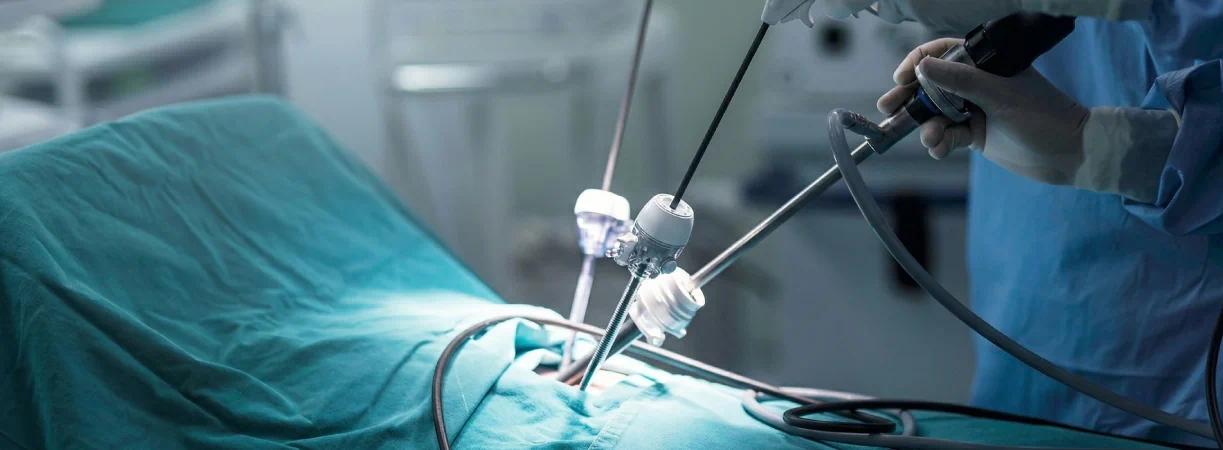
Laparoscopy has become an important part of modern gynecological care, offering a minimally invasive way to diagnose and treat a range of conditions affecting women. Compared to traditional open surgery, laparoscopic procedures involve smaller incisions, quicker recovery, and reduced discomfort, making them a preferred option in many cases.
For women dealing with ongoing pelvic pain, menstrual irregularities, infertility concerns, or certain gynecological conditions, laparoscopy can play a key role in both identifying the cause and providing treatment at the same time.
What Is Laparoscopy in Gynecology?
Laparoscopy is a surgical procedure that allows doctors to examine the organs inside the abdomen and pelvis using a thin, lighted instrument called a laparoscope. It is inserted through a small incision, usually near the navel.
In gynecology, laparoscopy is commonly used to assess and treat conditions involving the uterus, ovaries, fallopian tubes, and surrounding pelvic structures. The procedure is usually performed under general anaesthesia and may be diagnostic, therapeutic, or both.
Why Is Laparoscopy Recommended?
Laparoscopy is often recommended when symptoms are not clearly explained by routine tests such as ultrasound, or when surgical treatment is required.
It may be advised for:
- Persistent pelvic pain
- Unexplained infertility
- Abnormal menstrual symptoms
- Suspected cysts, fibroids, or endometriosis
- Evaluation of pelvic infections or adhesions
The advantage is that it enables accurate diagnosis while also allowing immediate treatment where needed.
Common Conditions Treated with Laparoscopy
Laparoscopy is used to manage a wide range of gynecological conditions. Some of the most common include:
Ovarian Cysts
Ovarian cysts are fluid-filled sacs that develop on the ovaries. While many cysts are harmless and resolve on their own, some may cause pain, discomfort, or complications.
Laparoscopy may be used to:
- Remove large or persistent cysts
- Evaluate complex cysts
- Prevent complications such as rupture or torsion
This approach helps preserve ovarian function whenever possible.
Endometriosis
Endometriosis occurs when tissue similar to the lining of the uterus grows outside it, often causing pain and fertility issues.
Laparoscopy is considered one of the most effective ways to:
- Confirm the diagnosis
- Remove or destroy abnormal tissue
- Reduce symptoms such as chronic pelvic pain
It can also improve fertility outcomes in certain cases.
Fibroids (Selected Cases)
Fibroids are non-cancerous growths in the uterus that may lead to heavy bleeding, pain, or pressure symptoms.
Depending on the size and location, laparoscopy can be used to:
- Remove fibroids (laparoscopic myomectomy)
- Preserve the uterus
- Reduce recovery time compared to open surgery
Not all fibroids are suitable for laparoscopic removal, and the approach is decided based on individual evaluation.
Ectopic Pregnancy
An ectopic pregnancy occurs when a fertilised egg implants outside the uterus, commonly in the fallopian tube. This is a serious condition that requires prompt treatment.
Laparoscopy may be used to:
- Remove the ectopic pregnancy
- Control internal bleeding
- Preserve reproductive structures when possible
Early diagnosis plays an important role in better outcomes.
Pelvic Adhesions
Pelvic adhesions are bands of scar tissue that can form between organs, often as a result of previous infections, surgery, or endometriosis.
These adhesions may cause:
- Chronic pelvic pain
- Infertility
- Restricted movement of organs
Laparoscopic surgery helps carefully release these adhesions and restore normal anatomy.
Infertility Evaluation and Treatment
Laparoscopy is often used as part of an infertility workup, especially when other tests do not provide clear answers.
It helps in:
- Assessing fallopian tube patency
- Identifying endometriosis or adhesions
- Detecting structural abnormalities
In some cases, treatment can be performed during the same procedure.
Pelvic Inflammatory Disease (PID) Complications
In severe or long-standing cases of pelvic infections, complications such as abscess formation or adhesions may occur.
Laparoscopy can assist in:
- Draining abscesses
- Removing infected tissue
- Preventing further complications
Diagnostic Evaluation of Unexplained Symptoms
When symptoms such as persistent pain, abnormal bleeding, or suspected internal pathology cannot be clearly diagnosed through imaging, laparoscopy provides direct visualisation.
This allows for:
- Accurate diagnosis
- Tissue biopsy if required
- Immediate management in certain cases
Benefits of Laparoscopic Surgery
Laparoscopy offers several advantages compared to traditional open surgery:
- Smaller incisions and minimal scarring
- Reduced post-operative pain
- Shorter hospital stay
- Faster return to daily activities
- Lower risk of infection in many cases
However, the suitability of laparoscopy depends on the specific condition and individual patient factors.
What to Expect Before and After the Procedure?
Before the procedure, patients typically undergo a detailed evaluation, including medical history, physical examination, and necessary investigations.
After laparoscopy:
- Most patients can go home within a day or two
- Mild discomfort or bloating may be experienced temporarily
- Normal activities can usually be resumed within a short period
- Follow-up is important to monitor recovery
Your doctor will provide personalised guidance based on the procedure performed.
When Should You Consult a Doctor?
It is advisable to consult a gynecologist if you experience:
- Persistent pelvic or abdominal pain
- Heavy or irregular menstrual cycles
- Difficulty in conceiving
- Unexplained symptoms affecting daily life
- Sudden severe pain or unusual discomfort
Early evaluation can help identify the cause and determine whether laparoscopy or other treatments may be appropriate.
Frequently Asked Questions (FAQs)
Q: Is laparoscopy a major surgery?
A: Laparoscopy is considered a minimally invasive surgery. While it is still a surgical procedure performed under anaesthesia, it generally involves smaller incisions and quicker recovery compared to open surgery.
Q: How long does it take to recover from a laparoscopy?
A: Recovery time varies depending on the procedure, but many patients resume normal activities within a few days to a couple of weeks.
Q: Is laparoscopy safe?
A: Laparoscopy is widely used and considered safe when performed by trained professionals. As with any surgery, there are some risks, which will be discussed before the procedure.
Q: Will laparoscopy affect fertility?
A: In many cases, laparoscopy is used to improve fertility by treating underlying conditions such as endometriosis or adhesions.
Q: Is there any visible scarring after laparoscopy?
A: The incisions are small, and scarring is usually minimal and less noticeable over time.
Q: Can all gynecological conditions be treated with laparoscopy?
A: Not all conditions are suitable for laparoscopic treatment. The decision depends on factors such as the patient's condition, severity, and overall health.
Consultation and Care
If you are experiencing symptoms related to women’s health or have been advised to undergo surgical evaluation, it is important to seek timely medical guidance.
Dr. Prashanth Shivappa S offers consultation for a range of gynecological conditions, including minimally invasive procedures such as laparoscopy. With experience across obstetrics, gynecology, and surgical oncology in Karnataka, patients receive structured evaluation and appropriate treatment planning.
Book a consultation today to discuss your symptoms and explore suitable treatment options for your condition.



Find Us
Rajkumar Diagnostics, Durgigudi, Jail Circle, Shivamogga, Karnataka 577204

Expert care in gynecology, high-risk pregnancy, fertility, and surgical oncology in Shivamogga, Karnataka, with a focus on safety, ethics, and accurate treatment planning.


© 2026 | Dr. Prashanth Shivappa | All rights reserved | Digital Marketing by Remedo