Common Conditions That May Require Vaginal Surgery
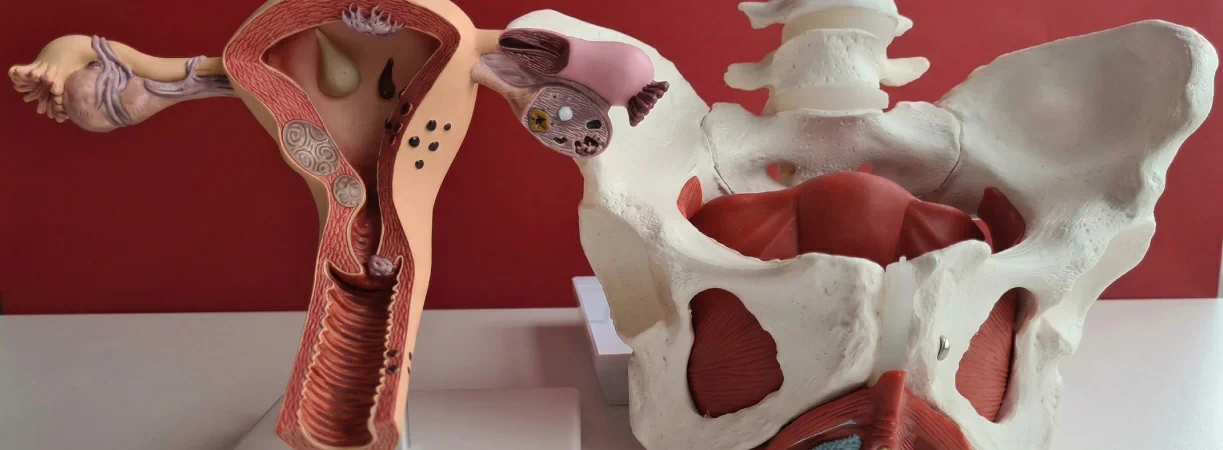
Vaginal surgery plays an important role in treating several gynecological conditions that affect a woman’s reproductive health, comfort, and quality of life. Many women experience symptoms such as abnormal bleeding, pelvic pressure, urinary problems, or vaginal discomfort at some point in their lives. While some conditions can be managed with medication or lifestyle changes, others may require surgical treatment for effective relief.
Vaginal surgery involves procedures performed through the vaginal canal rather than through abdominal incisions. These procedures are often minimally invasive, resulting in less pain, shorter recovery time, and fewer complications compared to traditional surgeries.
Understanding the common conditions that may require vaginal surgery can help women recognise symptoms early and seek appropriate medical care.
What Is Vaginal Surgery?
Vaginal surgery refers to a group of procedures performed through the vagina to treat various gynecological problems. These surgeries are commonly used to address issues related to the uterus, cervix, vaginal walls, or surrounding pelvic structures.
Many modern gynecological procedures use minimally invasive techniques such as hysteroscopy and laparoscopy, along with vaginal surgical approaches. These techniques help improve surgical precision while reducing hospital stay and recovery time.
Vaginal surgeries may be recommended when conservative treatments like medications, pelvic floor exercises, or hormonal therapy do not provide adequate relief.
Common Conditions That May Require Vaginal Surgery
Several medical conditions affecting the female reproductive system may require surgical treatment through the vaginal route.
Pelvic Organ Prolapse
Pelvic organ prolapse occurs when the muscles and tissues supporting the pelvic organs become weak. As a result, organs such as the uterus, bladder, or rectum may drop down into the vaginal canal.
This condition is more common in women who have had multiple vaginal deliveries, menopause, chronic cough, or heavy lifting habits.
Symptoms may include:
- A feeling of heaviness or pressure in the pelvic area
- A bulge or tissue protruding from the vagina
- Difficulty with urination or bowel movements
- Discomfort during physical activities
Vaginal surgery can help restore the normal position of the organs and strengthen the pelvic floor support.
Uterine Prolapse
Uterine prolapse is a type of pelvic organ prolapse where the uterus descends into the vaginal canal due to weakened pelvic support structures.
Mild cases may be managed with pelvic floor exercises or pessaries, but moderate to severe cases may require surgery. Vaginal hysterectomy is often recommended to remove the prolapsed uterus and repair the surrounding tissues.
This procedure is usually performed through the vagina without abdominal incisions, making recovery faster and less painful.
Vaginal Cysts
Vaginal cysts are fluid-filled sacs that develop within the vaginal wall. These cysts are often benign and may not cause symptoms initially. However, if they grow larger or become infected, they can cause discomfort.
Common types include:
- Gartner duct cysts
- Inclusion cysts
- Bartholin gland cysts
Symptoms may include:
- Pain or swelling in the vaginal area
- Discomfort during walking or intercourse
- Difficulty sitting comfortably
In such cases, surgical removal or drainage of the cyst may be recommended through a vaginal procedure.
Abnormal Uterine Bleeding
Persistent or heavy uterine bleeding can significantly affect a woman’s health and daily life. While medications may help in some cases, surgery may be required when structural problems cause bleeding.
Conditions that may cause abnormal bleeding include:
- Uterine polyps
- Endometrial hyperplasia
- Fibroids located near the uterine cavity
Procedures such as hysteroscopy allow doctors to visualize the uterus and remove abnormal tissue through minimally invasive techniques.
Vaginal Tears And Childbirth-Related Injuries
Childbirth can sometimes cause injuries to the vaginal tissues or pelvic floor muscles. While many tears heal naturally, some may lead to long-term problems such as pain, urinary leakage, or pelvic organ prolapse.
Vaginal reconstructive surgery may be recommended to repair damaged tissues, restore normal anatomy, and improve pelvic function.
These procedures can help women regain comfort and improve their quality of life after childbirth-related injuries.
Vaginal Fistula
A vaginal fistula is an abnormal connection between the vagina and nearby organs, such as the bladder or rectum. This condition may occur due to prolonged childbirth, previous pelvic surgery, radiation therapy, or infections.
Symptoms may include:
- Continuous leakage of urine or stool through the vagina
- Recurrent infections
- Irritation or foul odor
Surgical repair is usually required to close the abnormal opening and restore normal function.
Vaginal Laxity And Functional Concerns
Some women may experience vaginal laxity due to ageing, childbirth, or hormonal changes. This condition may cause discomfort, reduced sexual satisfaction, or pelvic support problems.
Vaginal tightening or reconstructive procedures may be considered in certain cases to improve both function and structural support.
These procedures are typically performed after careful evaluation and discussion of expectations and treatment options.
Benefits Of Vaginal Surgery
Vaginal surgical procedures offer several advantages compared to traditional open surgeries.
Some key benefits include:
- Minimal external incisions
- Less post-operative pain
- Reduced hospital stay
- Faster recovery
- Lower risk of complications
- Improved cosmetic outcomes
Advancements in minimally invasive gynecological surgery have further enhanced safety and effectiveness.
Recovery After Vaginal Surgery
Recovery time after vaginal surgery varies depending on the type of procedure performed and the patient’s overall health.
Most women can return to light daily activities within a few days to weeks. However, doctors may recommend avoiding heavy lifting, strenuous exercise, or sexual activity for a few weeks to allow proper healing.
Following post-operative instructions, maintaining hygiene, and attending follow-up appointments are essential for smooth recovery.
When Should You Consult Dr. Prashanth Shivappa?
Women should seek medical evaluation if they experience symptoms such as:
- Persistent pelvic pressure
- Vaginal bulge or discomfort
- Abnormal bleeding
- Pain during intercourse
- Urinary leakage or bowel difficulties
- Unusual vaginal swelling or lumps
Early diagnosis allows doctors to recommend the most effective treatment options before the condition becomes severe.
Expert Care For Vaginal Surgery
Modern gynecological care focuses on providing safe, minimally invasive treatment options that help women recover quickly and return to their normal lives.
Dr. Prashanth Shivappa specialises in advanced gynecological procedures, including minimally invasive gynecological surgery, hysteroscopy, laparoscopy, vaginal surgery, high-risk obstetrics management, and cosmetic gynecology. With a patient-centred approach and expertise in modern surgical techniques, he focuses on delivering safe and effective treatment tailored to each patient’s needs.
Take The First Step Toward Better Women’s Health
If you are experiencing symptoms such as pelvic discomfort, abnormal bleeding, or vaginal bulge, do not ignore the warning signs.
Early evaluation can help identify the underlying condition and provide the right treatment at the right time.
Schedule a consultation with Dr. Prashanth Shivappa in Shivamogga, Karnataka, today and take a confident step toward better comfort, health, and quality of life.



Find Us
Rajkumar Diagnostics, Durgigudi, Jail Circle, Shivamogga, Karnataka 577204

Expert care in gynecology, high-risk pregnancy, fertility, and surgical oncology in Shivamogga, Karnataka, with a focus on safety, ethics, and accurate treatment planning.


© 2026 | Dr. Prashanth Shivappa | All rights reserved | Digital Marketing by Remedo